Flatfoot. Preventive exercises.
Today, pediatric flatfoot is becoming increasingly prevalent. According to orthopaedic specialists, one in four children is diagnosed with this condition by the age of three. A well-formed, healthy foot, however, is fundamental to long-term health.
What should one do when the diagnosis has already been made? Treating flatfoot is not easy. The process is lengthy and labor-intensive and can, moreover, require substantial financial investment, especially when the pathological changes are advanced. For this reason, physicians advise taking preventive measures in advance.
Additionally, wearing high-quality footwear is essential, and a good preventive effect can be achieved with simple exercises.
Exercise is best performed in the morning when the muscles are not yet fatigued. Demonstrate the technique and pace of the exercises to the child by setting an example. The room must not be stuffy or drafty, and the child should wear comfortable clothing that does not restrict movement.
Before beginning the exercises, the child should walk on their toes, then hop on the toes first on one foot and then on both; all exercise routines must be performed under the mother’s supervision and only after consultation with a physician.
Primary exercises for the prevention and correction of flatfoot:
1. Rotating the feet while standing and while seated.
2. Rising onto the toes and lowering onto the heels.
3. Walking on tiptoe.
4. Partial squats performed on the toes.
5. Small hops performed on the balls of the feet.
6. Walking along and across a gymnastic beam using the soles of the feet.
Play-based exercises to prevent flatfoot:
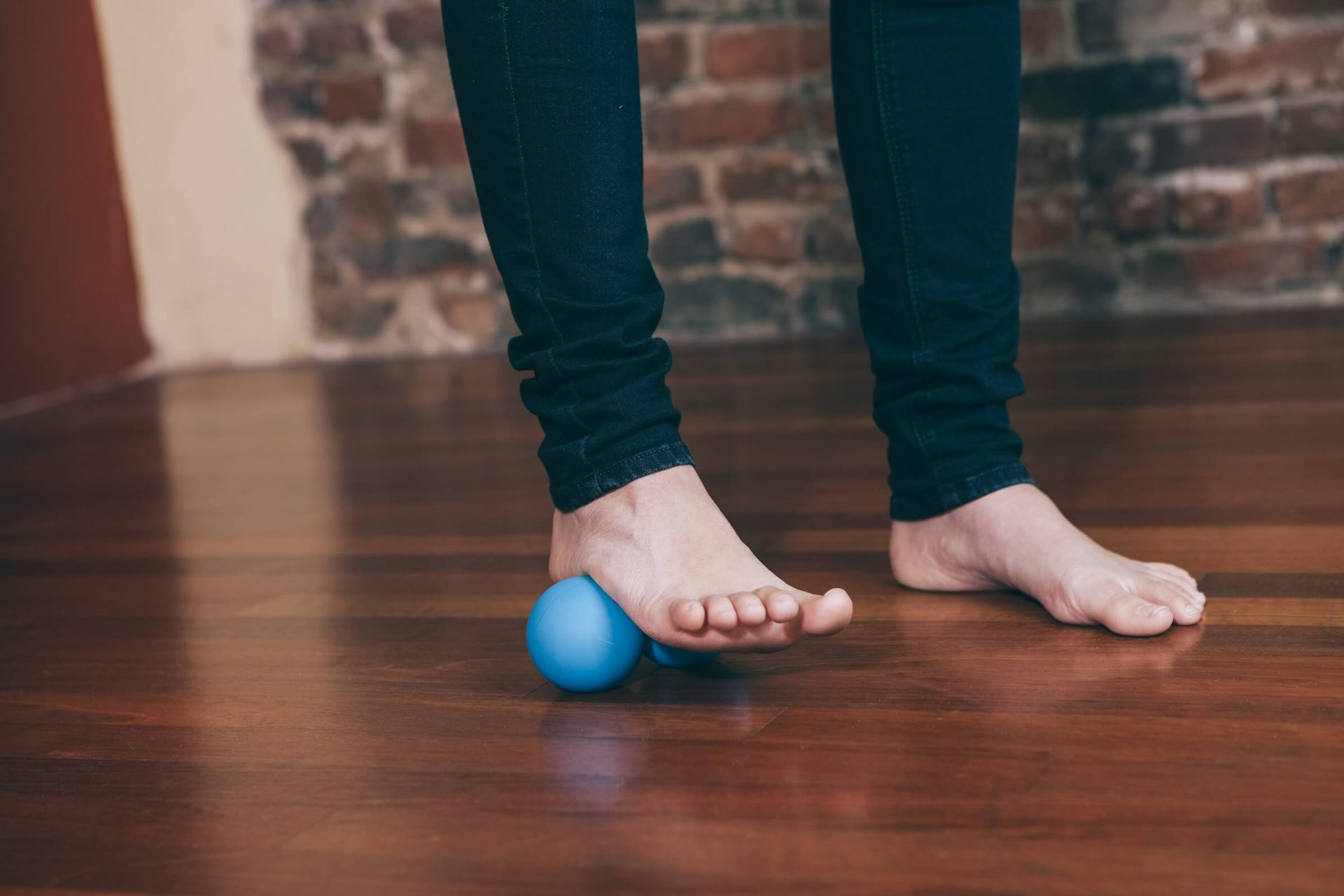
Exercise “ICE RINK” — the child rolls a ball, roller, or bottle back and forth; perform the exercise first with one foot, then with the other.
Exercise “THE ARTIST” — sitting on the floor with knees bent, the child grips a pencil between the toes and draws various shapes on a sheet of paper while stabilizing the sheet with the other foot; perform first with one foot, then with the other.
Exercise “THE BANDIT” — the child sits on the floor with knees bent. The heels remain pressed firmly to the floor and must not lift during the entire exercise. Using toe movements, the child attempts to pull a towel (or napkin) spread on the floor, on which a small weight (for example, a stone) rests, so that it slides under the heels. Perform the exercise first with one foot and then with the other.
Exercise “The Gatherer” — Sitting on the floor with knees bent, the child uses the toes of one foot to pick up various small objects scattered on the floor (toys, clothespins, pine cones, etc.) and places them into piles; the same is then repeated with the other foot. Next, without using their hands, the child transfers the items from one pile to another. Care should be taken to prevent items from falling during the transfer.
Exercise “THE MILL” — sitting on the floor with legs extended, the child describes circles with the soles of their feet in various directions.
Exercise “HEEL WALKING” — the child walks on their heels without letting the toes or soles touch the floor.
Doctors recommend:
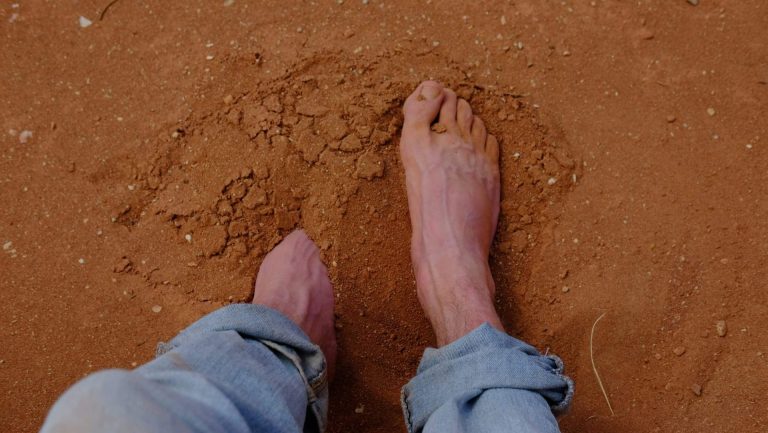
Every night before bed, soak the soles of the feet in room-temperature water for five minutes. In summer, whenever possible, walk barefoot more often on soil, sand, small smooth pebbles, or in shallow water.
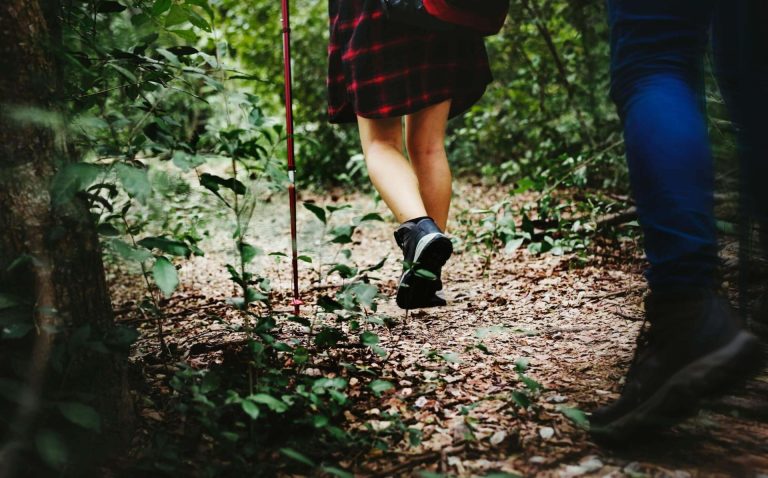
To strengthen the arch of the foot, it is beneficial to climb gym ladders and ropes barefoot. Walking along a board or log not only develops the foot arch but also serves as an excellent exercise for preventing flatfoot and clubfoot in children.
It is beneficial to walk along a ribbed board set at a 30-degree incline, for example mounted on a rung of a gymnastic ladder.